Putting In A Paver Walkway
Putting in a paver walkway transforms any outdoor space, adding both beauty and functionality. This comprehensive guide walks you through every step, from initial planning and design to the final touches, ensuring a successful and aesthetically pleasing result. We’ll explore various paver materials, installation techniques, and maintenance strategies, equipping you with the knowledge to create a stunning walkway that enhances your property for years to come. Whether you’re a seasoned DIY enthusiast or a novice tackling your first landscaping project, this guide offers practical advice and valuable insights to make your paver walkway vision a reality.
We’ll delve into crucial aspects such as choosing the right pavers for your style and budget, preparing a solid base for optimal longevity, and mastering the art of laying pavers for a professional finish. Furthermore, we’ll cover essential maintenance practices to keep your walkway looking its best, addressing common challenges and providing solutions for repairs. By the end, you’ll be confident in your ability to plan, install, and maintain a beautiful and durable paver walkway.
Planning and Design of a Paver Walkway: Putting In A Paver Walkway
Creating a beautiful and functional paver walkway involves careful planning and design. This section will guide you through the process of designing your walkway, selecting appropriate paver patterns, and preparing a solid base for long-lasting results.
Paver Walkway Layout and Material Quantities
For a 10ft x 20ft area, consider a design incorporating both straight sections and gentle curves for visual interest. The specific layout will depend on your landscape and personal preferences. A sample layout might include a 5ft wide walkway with a slight curve at one end. This example assumes a 2-inch thick paver.
| Material | Quantity | Unit Cost (Estimate) | Total Cost (Estimate) |
|---|---|---|---|
| Pavers | 200 sq ft / 10 sq ft/pallet = 20 pallets | $50/pallet | $1000 |
| Base Gravel | 4 cubic yards | $40/cubic yard | $160 |
| Sand | 1 cubic yard | $30/cubic yard | $30 |
| Edging | 40 linear feet | $2/linear foot | $80 |
| Total | $1270 |
Note: These are estimates and will vary based on location, material choices, and supplier.
Paver Patterns and Visual Impact
Different paver patterns significantly influence the walkway’s aesthetic appeal. Here are three popular options:
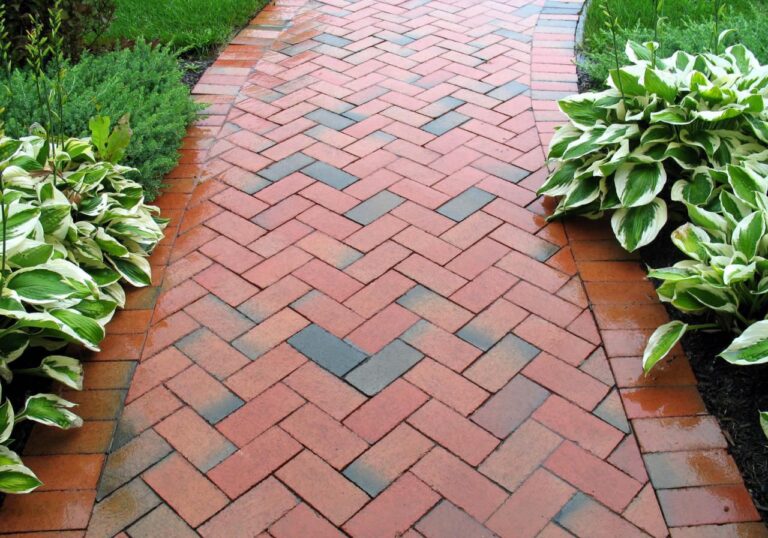
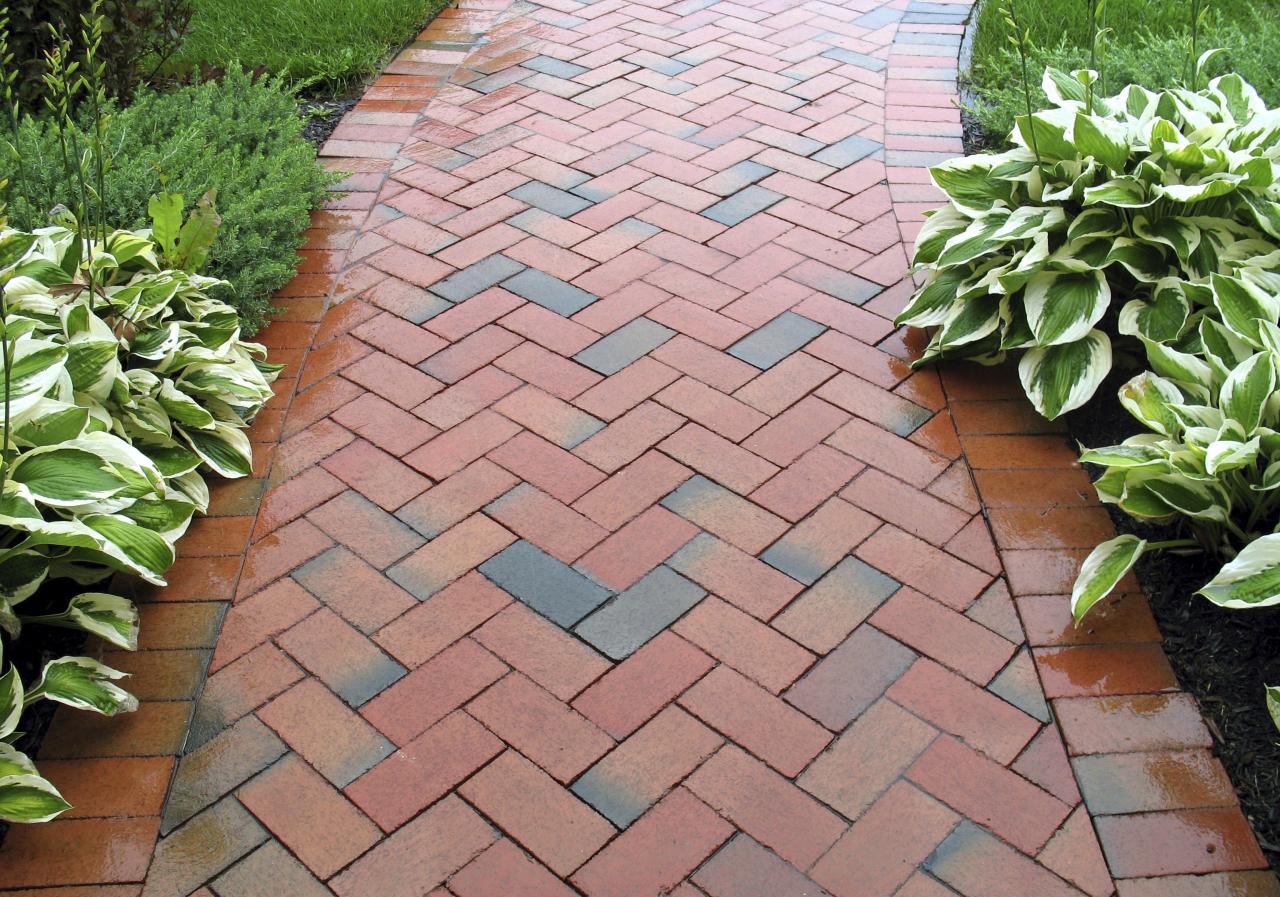
- Herringbone: Pavers are arranged in a V-shape, creating a classic and sophisticated look. The pattern involves laying pavers at a 45-degree angle to each other, resembling fish bones.
- Running Bond: This is the simplest pattern, with pavers laid in parallel rows, creating a clean and modern look. Each row is offset from the previous one by half the length of a paver.
- Basketweave: This pattern uses rectangular pavers arranged in a woven pattern, resembling a basket. Two pavers are laid perpendicularly to create a square, and these squares are then laid in rows.
Base Preparation for a Paver Walkway
Source: ytimg.com
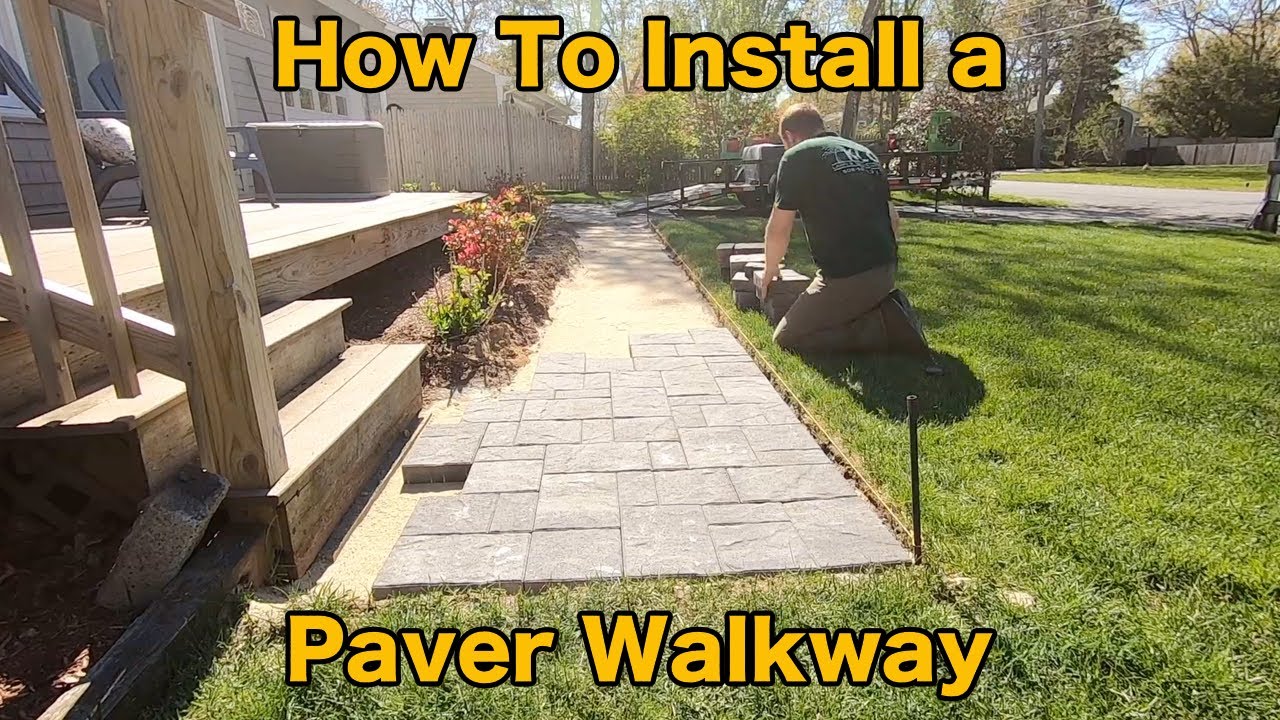
Proper base preparation is crucial for a durable and level walkway. This involves several steps:
- Excavation: Dig a trench to the desired depth (typically 4-6 inches), ensuring a level surface.
- Compaction: Compact the base thoroughly using a tamper or plate compactor to prevent settling.
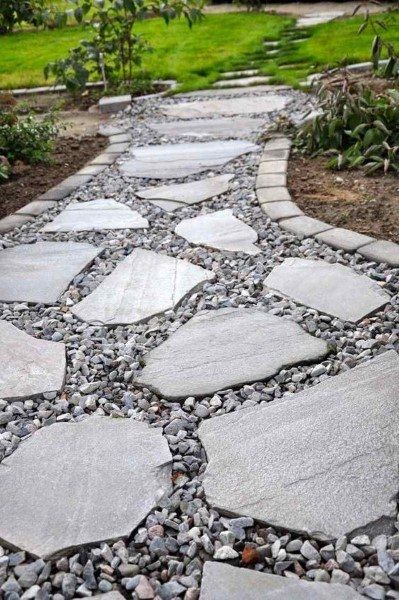
- Gravel Placement: Add a layer of compacted gravel (typically 2-4 inches) for drainage and stability.
Material Selection for Your Paver Walkway
Choosing the right paver material is essential for both aesthetics and longevity. This section will explore various options and factors to consider.
Comparing Paver Materials
Different paver materials offer unique characteristics:
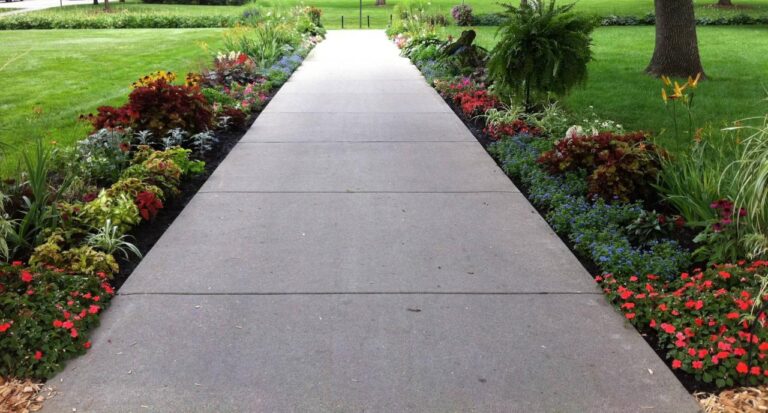
- Concrete Pavers: Durable, affordable, and available in a wide range of colors and textures. They are relatively easy to install and maintain.
- Brick Pavers: Offer a classic and timeless look. They are durable and weather-resistant but can be more expensive than concrete pavers.
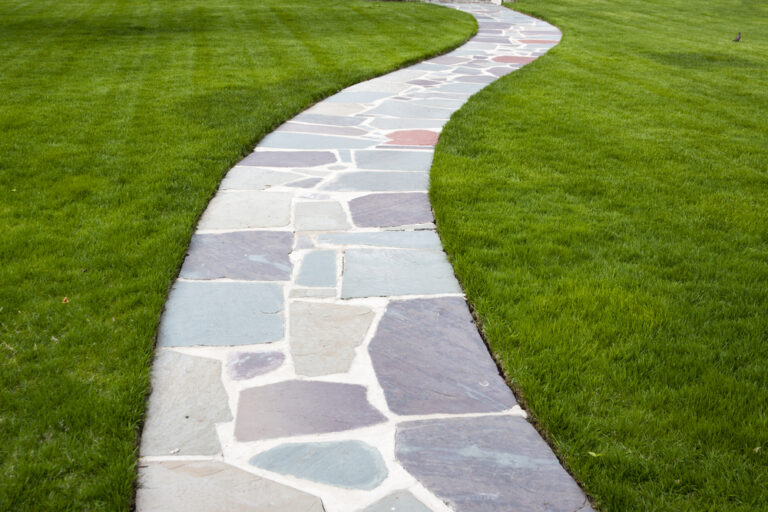
- Natural Stone Pavers: Provide a luxurious and unique appearance. They are highly durable but are typically the most expensive option and require more careful installation.
Color and Size Selection
The color and size of pavers significantly impact the overall landscape design. Consider the surrounding environment and architectural style when selecting these aspects. For example, warm-toned pavers complement Mediterranean landscapes, while cool-toned pavers work well with modern or minimalist designs.
Sources for Purchasing Pavers and Materials
Pavers and related materials can be purchased from various sources, including home improvement stores, landscaping supply companies, and online retailers. When choosing a supplier, consider factors such as price, quality, availability, and customer service.
Paver Walkway Installation Process
Installing pavers requires careful attention to detail. This section provides a step-by-step guide to ensure a successful installation.
Step-by-Step Paver Installation
Source: siamagazin.com
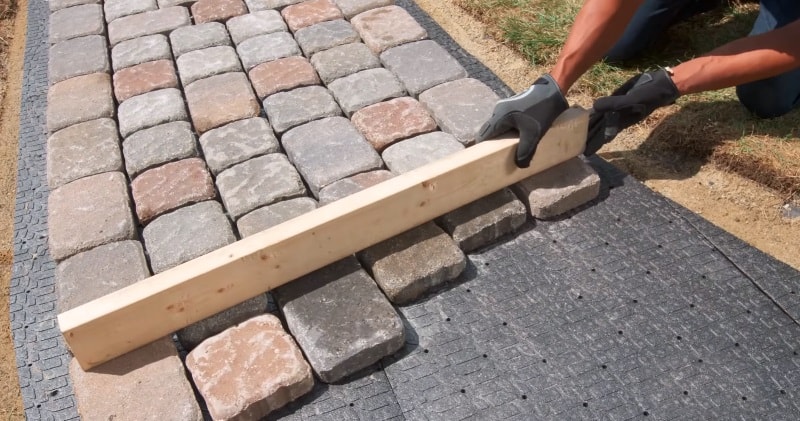
Follow these steps for a professional installation:
- Prepare the base as described previously.
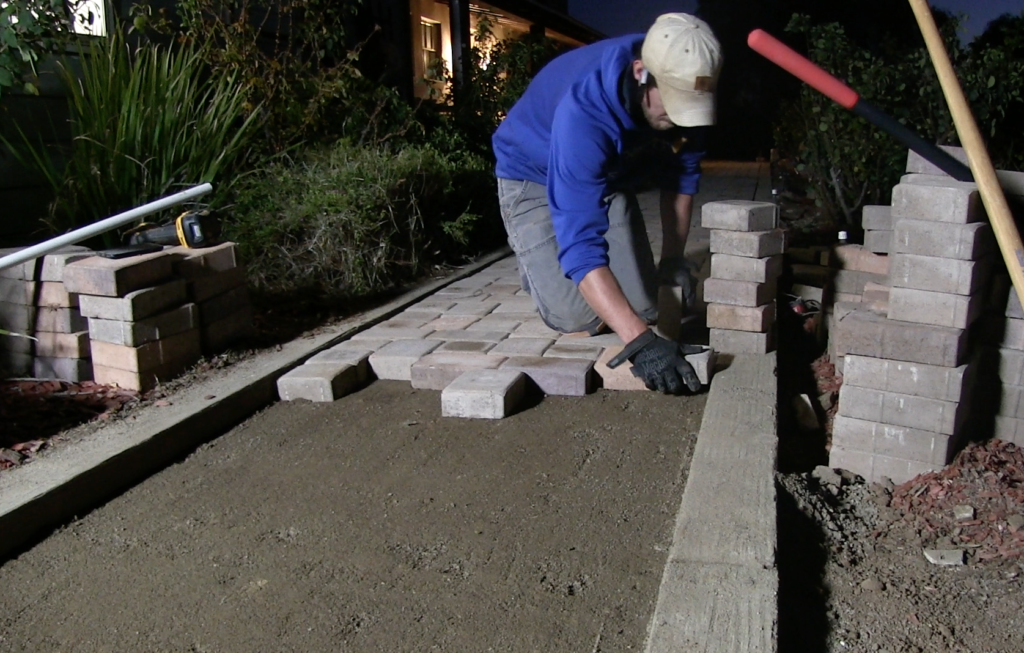
- Lay out the pavers according to your chosen pattern, starting from a straight edge.
- Carefully tap the pavers into place using a rubber mallet to ensure a level surface.
- Add joint sand, sweeping it into the gaps between the pavers.
- Compact the sand using a plate compactor to lock the pavers in place.
Cutting Pavers
Source: paversdrivewaysva.com
Cutting pavers is often necessary to fit around curves and obstacles. Use a wet saw with a diamond blade for clean cuts. Score the paver first before cutting to prevent chipping.
Importance of Compaction
Proper compaction at each stage of the installation is critical to prevent settling and ensure the walkway’s long-term stability. Inadequate compaction can lead to uneven surfaces, shifting pavers, and potential damage.
Maintenance and Repair of Your Paver Walkway
Regular maintenance is key to preserving the beauty and longevity of your paver walkway. This section Artikels a maintenance schedule and repair techniques.
Maintenance Schedule
Source: mrfixitdiy.com
| Task | Frequency | Materials Needed | Instructions |
|---|---|---|---|
| Cleaning | As needed | Water, broom, mild detergent | Sweep away debris and wash with water and mild detergent. |
| Weed Removal | Monthly | Weed puller, garden gloves | Remove weeds promptly to prevent root growth. |
| Joint Sand Replenishment | Annually | Joint sand | Add sand to refill any gaps between the pavers. |
Repairing Damaged Pavers
To repair damaged or cracked pavers, carefully remove the affected paver using a pry bar. Prepare the base, install a new paver, and compact the surrounding sand.
Impact of Weather Conditions
Freezing and thawing cycles can cause damage to paver walkways. Preventative measures include using frost-resistant pavers and ensuring proper drainage to prevent water accumulation.
Cost Estimation and Budgeting for a Paver Walkway
Accurate cost estimation is essential for successful project planning. This section provides a sample budget and discusses factors influencing costs.
Sample Budget, Putting in a paver walkway
| Item | Quantity | Unit Cost (Estimate) | Total Cost (Estimate) |
|---|---|---|---|
| Materials (as detailed above) | $1270 | ||
| Labor (Estimate) | 1 day | $500 | $500 |
| Permits (Estimate) | 1 | $100 | $100 |
| Total Estimated Cost | $1870 |
Factors Influencing Cost
- Material choices
- Labor costs
- Site preparation needs
- Permitting fees
Cost-Saving Measures
Consider renting equipment instead of purchasing it and doing some of the labor yourself (if you have the skills and time) to reduce costs. Choose a simpler paver pattern to minimize installation time.
FAQ Guide
What is the average lifespan of a paver walkway?
With proper installation and maintenance, a paver walkway can last for 20-30 years or even longer.
How much does professional installation cost?
The cost varies greatly depending on location, materials chosen, and the complexity of the design. It’s best to obtain multiple quotes from reputable contractors.
Can I install a paver walkway myself?
Yes, many DIYers successfully install paver walkways. However, it requires careful planning, attention to detail, and the right tools. Consider your skill level before undertaking the project.
What type of base is best for a paver walkway?
A well-compacted base of gravel, typically 4-6 inches deep, provides excellent drainage and support for the pavers.
How do I clean my paver walkway?
Regular sweeping and occasional pressure washing are sufficient for maintaining cleanliness. Use a paver-safe cleaner for stubborn stains.